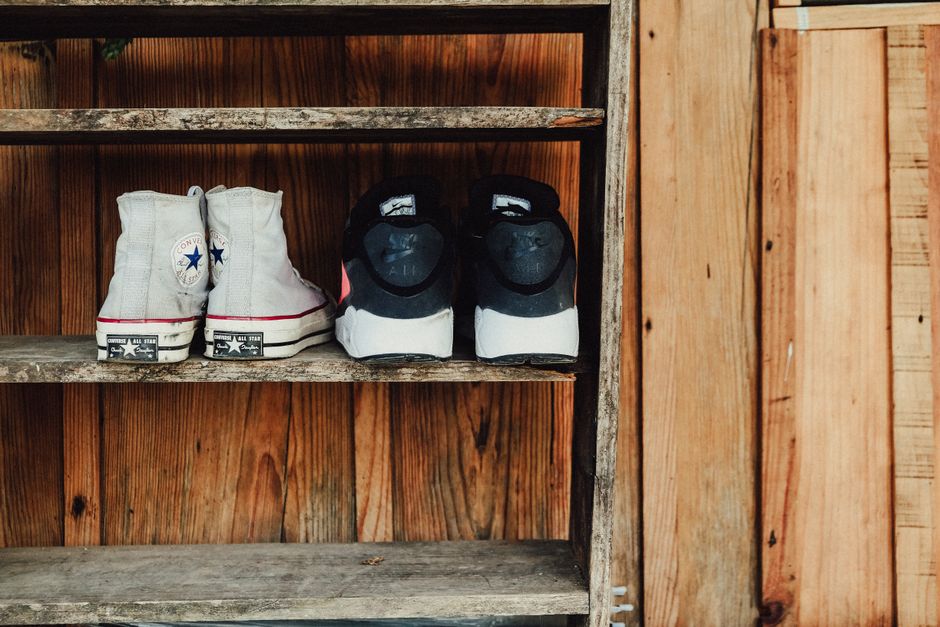
Proper storage is a critical yet often overlooked aspect of sneaker maintenance. While much attention is given to cleaning and wearing techniques, the way sneakers are stored between wears can significantly influence their longevity, shape, and freshness. Exposure to moisture, temperature fluctuations, and improper positioning can lead to deformation, discoloration, and material degradation over time.
This article explores the principles and methods of storing sneakers to maintain their structural integrity and appearance. It covers environmental considerations, organizational strategies, and material-specific practices. The focus is on providing a comprehensive framework that can be adapted to various sneaker types and living spaces.
By understanding how storage conditions affect footwear, individuals can make informed decisions that support the lifespan of their sneakers. The following sections outline key factors and practical steps, emphasizing a process-oriented approach rather than prescribing specific outcomes.
Environmental Conditions for Sneaker Storage
The environment in which sneakers are stored plays a fundamental role in their preservation. Temperature and humidity are two primary factors that can either support or undermine the materials used in sneaker construction. High humidity can promote mold growth and weaken adhesives, while excessive dryness may cause materials to crack or become brittle. Stable, moderate conditions are generally preferable.
Direct sunlight should be avoided, as ultraviolet rays can fade colors and degrade certain materials like leather and synthetic fabrics. Similarly, extreme heat sources such as radiators or heating vents can warp soles and cause shrinkage. A cool, dark, and well-ventilated area is often recommended for long-term storage.
Air circulation is essential to prevent moisture buildup. Storing sneakers in sealed plastic containers without ventilation can trap moisture from residual sweat or environmental humidity, leading to odors and material damage. Breathable storage options, such as cotton dust bags or ventilated boxes, allow air to flow while protecting from dust and light.
In regions with high humidity, using moisture-absorbing packets like silica gel can help regulate the microclimate inside storage containers. However, these should be checked periodically and replaced as needed. In dry climates, a subtle humidifier in the storage area might be beneficial, but care must be taken to avoid over-humidification.
Shape Preservation Techniques
Maintaining the original shape of sneakers during storage is vital to prevent creasing and deformation. The toe box and heel counter are particularly susceptible to collapsing if not properly supported. Using shoe trees or stuffing can help retain structure.
Cedar shoe trees are a popular choice because they absorb moisture and provide a pleasant scent. Alternatively, acid-free tissue paper or clean cotton cloths can be stuffed into the toe area to hold its shape. It is important to avoid using newspaper, as the ink may transfer onto the lining or materials.
For sneakers with special features like air cushions or foam midsoles, avoid stacking heavy items on top. Compression can flatten cushioning and reduce comfort. If stacking is necessary, place lighter sneakers on top and use dividers to distribute weight evenly.
When storing high-top sneakers, consider using boot trees or rolled magazines to support the ankle area. This prevents the collar from folding and maintains a upright profile. Regularly rotating stored sneakers can also help prevent prolonged pressure on any single area.
Moisture Management and Odor Control
Moisture is a common enemy of sneaker longevity. Sweat from wearing, rain exposure, or humid air can seep into materials and create a breeding ground for bacteria and fungi. Proper drying before storage is essential.
After wearing, allow sneakers to air dry at room temperature away from direct heat. Remove insoles and laces to facilitate drying and prevent moisture trapping. If sneakers are wet, stuff them with newspaper or dry cloths to absorb moisture, changing the stuffing as it becomes damp.
For odor control, consider using activated charcoal inserts or baking soda sachets placed inside the sneakers. These materials absorb odors and excess moisture without adding fragrance. Avoid using scented products that may mask odors but not address the root cause.
Regular cleaning of storage areas is also important. Dust and dirt can harbor moisture and pests. Wipe down shelves and containers periodically, and ensure that stored sneakers are clean before placing them away. A clean storage environment contributes to overall freshness.
Organizational Strategies for Different Sneaker Types
Different sneaker materials and designs may require tailored storage approaches. Leather sneakers, for instance, benefit from breathable bags and occasional conditioning to prevent drying. Mesh or knit sneakers are more prone to stretching, so they should be stored with light stuffing to hold shape without overstuffing.
For collectors or those with large rotations, a systematic organization method can help. Grouping by material, color, or frequency of use can make it easier to locate pairs and ensure each gets proper care. Transparent storage boxes allow visibility without opening, reducing exposure to dust.
If space is limited, over-the-door shoe organizers or stackable racks can be used. Ensure that the storage solution does not compress sneakers. Adjustable shelves or modular units offer flexibility. For valuable or rare sneakers, consider archival-grade storage with acid-free materials.
Labeling storage containers with dates or notes can help track rotation and maintenance schedules. This practice supports a proactive approach to sneaker care, ensuring that no pair is neglected for extended periods.
Travel and Seasonal Storage Considerations
When traveling, sneakers may be exposed to varying conditions. Use a dedicated sneaker bag or case that protects from impact and moisture. Avoid packing sneakers in checked luggage without protection, as they can be crushed. Carry-on storage allows better control over handling.
For seasonal storage, such as putting away summer sneakers for winter, thorough cleaning and drying are paramount. Store in a cool, dry place with moisture absorbers. Check periodically for signs of mold or pests. Rotate seasonal footwear to ensure even wear and care.
In all storage scenarios, consistency and attention to detail are key. By implementing these practices, individuals can support the longevity and appearance of their sneakers. Urban Footwear encourages customers to consider these factors as part of their overall footwear maintenance routine.