Comparing Leather and Synthetic Materials for Everyday Shoes
When selecting everyday shoes, the choice between leather and synthetic materials is a common consideration. Each material offers distinct characteristics that influence comfort, longevity, and upkeep. Understanding these differences can help individuals make informed decisions based on their lifestyle and needs.
This article examines leather and synthetic uppers in terms of breathability, durability, and maintenance. It provides a balanced overview without advocating for one material over the other, recognizing that personal preferences and specific use cases play significant roles. The information presented aims to support consumers in evaluating which material aligns with their daily routines.
Urban Footwear, a brand known for its diverse range of footwear, often incorporates both leather and synthetic options in its collections, reflecting the varying demands of consumers. The following sections delve into key factors to consider when comparing these materials.
Breathability and Comfort
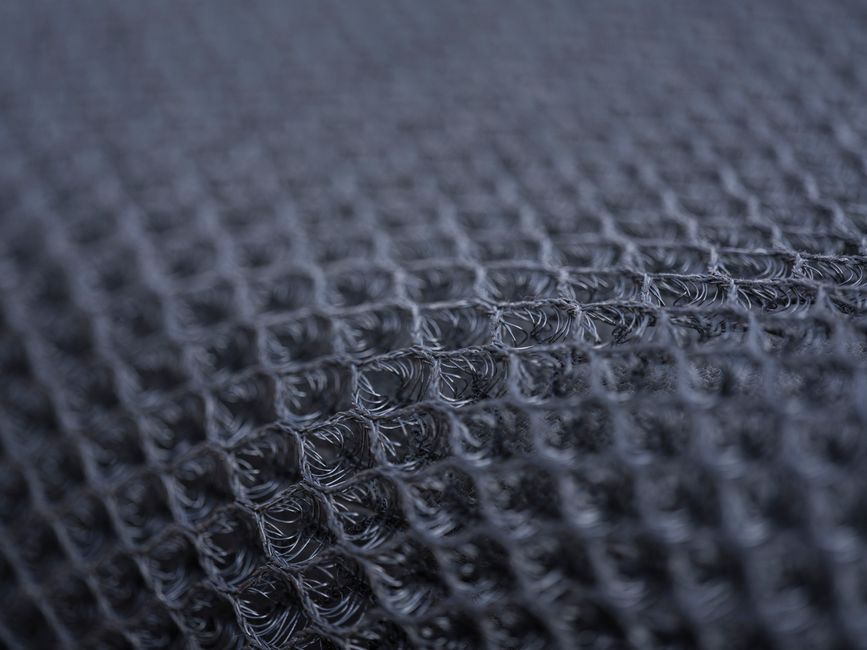
Breathability refers to a material’s ability to allow air and moisture vapor to pass through, which affects foot comfort and temperature regulation. Leather, being a natural material, has a porous structure that can facilitate airflow, helping to keep feet cooler and drier in moderate conditions. However, the breathability of leather can vary based on its finish and thickness; full-grain leather typically offers better airflow than heavily treated or coated leathers. Synthetic materials, on the other hand, are engineered with various structures, such as mesh or perforations, to enhance ventilation. Some synthetics are designed to be highly breathable, often outperforming leather in hot and humid environments. Yet, not all synthetics are created equal; non-porous synthetic materials may trap moisture, leading to discomfort. The choice between leather and synthetics for breathability depends on the specific design and intended use. For everyday wear, both materials can provide adequate comfort if selected appropriately.
Durability and Longevity
Durability is a key consideration for everyday shoes, as it impacts how long footwear remains functional and presentable. Leather is renowned for its resilience and ability to mold to the shape of the foot over time, often developing a unique patina. High-quality leather can withstand regular wear and, with proper care, last for many years. However, leather is susceptible to damage from water, scratches, and scuffing, which can be more challenging to repair. Synthetic materials have advanced significantly and can offer impressive durability, often resisting water, stains, and abrasion better than leather. They are also less prone to cracking and can maintain their appearance with minimal care. That said, synthetics may degrade faster under extreme conditions, such as prolonged exposure to sunlight or high heat, and may not conform to the foot as leather does. The longevity of either material depends on factors like quality, construction, and usage patterns. Urban Footwear’s product lines include both leather and synthetic options designed to meet different durability expectations.
Maintenance and Care
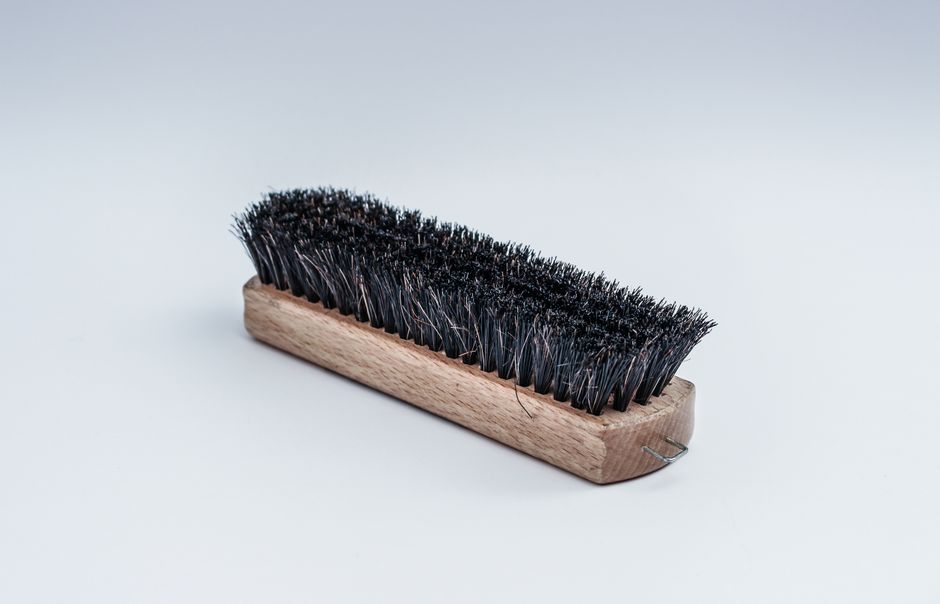
Maintenance requirements differ significantly between leather and synthetic materials, influencing the overall ownership experience. Leather typically requires regular conditioning to prevent drying and cracking, as well as cleaning to remove dirt and stains. It is also advisable to protect leather from water with waterproofing sprays and to store shoes in a cool, dry place. These care routines can extend the life of leather shoes but demand time and attention. Synthetic materials are generally easier to maintain; most can be cleaned with a damp cloth and mild soap, and they often do not require conditioning. They are also more resistant to water and stains, making them a convenient choice for wet or messy conditions. However, some synthetics may yellow over time or develop odors if not properly ventilated. The maintenance burden is thus lower for synthetics, but leather offers the potential for a longer lifespan with consistent care. Individuals should consider their willingness to commit to a care regimen when choosing between the two.
Environmental and Ethical Considerations
Environmental and ethical factors are increasingly important to consumers when choosing footwear materials. Leather is a byproduct of the meat industry, and its production involves significant resource use, including water and land, as well as potential chemical treatments. However, leather is biodegradable and can be more sustainable if sourced from responsible tanneries. Synthetic materials are typically derived from petroleum-based products, contributing to fossil fuel consumption and plastic pollution. They are not biodegradable and can persist in landfills for centuries. That said, advancements in recycling and bio-based synthetics are emerging, offering more sustainable alternatives. The environmental impact of either material depends on production methods, transportation, and end-of-life disposal. Consumers may weigh these factors alongside performance and cost. Urban Footwear, like many brands, is exploring ways to reduce environmental footprints across its material choices.
Cost and Value
Cost is often a practical consideration when comparing leather and synthetic shoes. Leather footwear generally has a higher upfront price due to the cost of raw materials and craftsmanship. However, the potential for longevity and repairability may offer better value over time if the shoes are well-maintained. Synthetic shoes are typically more affordable, making them accessible for budget-conscious consumers or those who prefer to update their footwear frequently. They may also be a suitable option for specific activities where wear and tear is expected. The value of each material is subjective and depends on individual priorities, such as initial cost, expected lifespan, and desired features. It is important to note that price does not always correlate with quality; both leather and synthetic shoes vary widely in their construction and materials. Urban Footwear provides options across price points to cater to diverse consumer needs.
Making an Informed Choice
Choosing between leather and synthetic materials for everyday shoes involves evaluating multiple factors, including breathability, durability, maintenance, environmental impact, and cost. There is no universally superior material; the best choice depends on the wearer’s specific circumstances and preferences. For instance, someone who values breathability and is willing to invest in care might lean toward leather, while another who prioritizes easy maintenance and affordability might prefer synthetics. It can be helpful to consider the intended use, climate, and frequency of wear. Additionally, trying on shoes and assessing comfort is essential, as fit and feel can vary significantly between materials and designs. Consumers are encouraged to read product descriptions, seek reviews, and ask questions to make well-informed decisions. Urban Footwear’s diverse offerings allow customers to explore both leather and synthetic options, facilitating a personalized choice. Ultimately, the decision should align with individual needs and values, ensuring satisfaction with everyday footwear.