How to Measure Your Feet Accurately at Home
Measuring your feet at home is a practical skill that can help you navigate the complexities of online shoe shopping. With the right tools and a bit of patience, you can obtain accurate measurements of your foot length and width. This guide outlines straightforward methods using common household items like paper and a ruler. By following these steps, you can make more informed decisions when selecting footwear sizes, particularly when trying to match the sizing systems of different brands.
Online shopping for shoes offers convenience but often lacks the ability to try before you buy. Understanding your exact foot dimensions can reduce the likelihood of ordering the wrong size. However, it’s important to note that foot measurements are just one factor among many that influence fit, such as shoe design, material, and personal preference. This article provides a process-oriented approach to measuring your feet, emphasizing methodology and transparency.
In the following sections, we will explore how to prepare for measurement, the steps to measure length and width, and how to interpret your results. We’ll also discuss additional considerations that can affect sizing. The goal is to equip you with a reliable method that you can perform at home, using tools you likely already have. Keep in mind that consistency and accuracy in measurement are key to getting useful data.
Preparing for Accurate Foot Measurement
Before you begin measuring, it’s essential to set up a proper environment and gather the necessary tools. You will need a piece of paper larger than your foot, a ruler or measuring tape, a pen or pencil, and a flat surface against a wall. Ideally, measure your feet at the end of the day when they are at their largest, as feet tend to swell slightly throughout the day. This can help you avoid underestimating your size. Additionally, wear the type of socks you plan to wear with the shoes you intend to purchase, as sock thickness can affect fit.
It’s also important to measure both feet, as it’s common for one foot to be slightly larger than the other. You should use the measurements of your larger foot when determining your size. Make sure you are standing straight with your weight evenly distributed, as this mimics the pressure on your feet when walking. If you have access to a wall, you can place the paper against it to help align your heel. A friend can assist with marking, but you can also do it yourself with careful positioning.
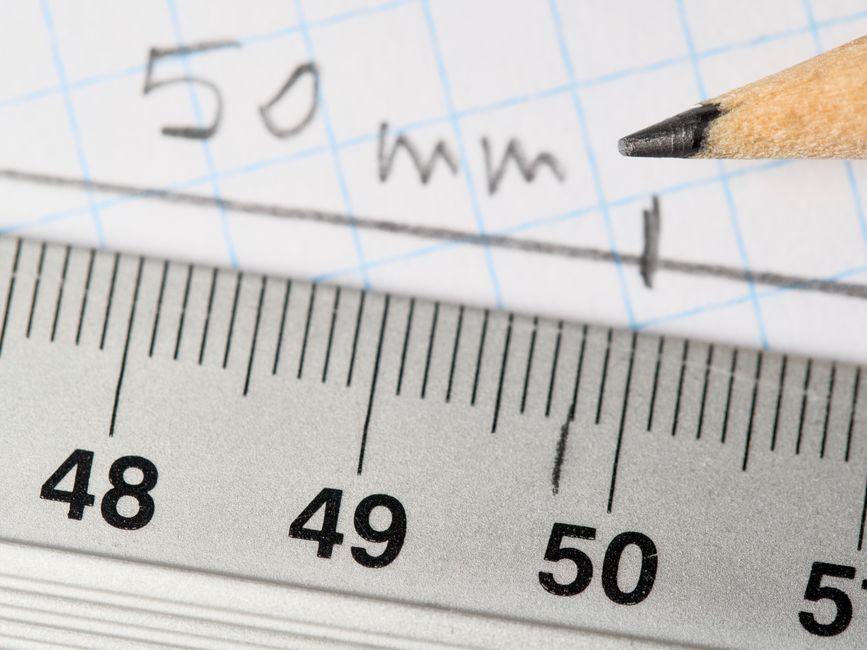
Gather all your tools before starting to ensure a smooth process. A rigid ruler or a retractable measuring tape works well; avoid using flexible cloth tapes that might stretch. If you don’t have a ruler, you can use a printable online ruler, but verify its scale with a known object like a credit card. A pen or pencil should be fine for marking, but make sure it’s sharp for precise lines. A flat, hard surface like a tiled floor or a large table is ideal, as carpets can cause inaccurate measurements.
Step-by-Step Guide to Measuring Foot Length
To measure foot length, place the paper on the floor against a wall. Stand on the paper with your heel lightly touching the wall. Ensure your weight is evenly distributed and you are standing straight. Use the pen to mark the tip of your longest toe. If you’re unsure which toe is longest, mark the big toe and the second toe separately, then use the furthest mark. It’s important to keep the pen vertical to avoid angling the mark. Once marked, step off the paper and use the ruler to measure the distance from the edge of the paper (where your heel was) to the mark. This measurement is your foot length.
Record this measurement in both inches and centimeters for reference, as different brands may use different sizing systems. Repeat the process for the other foot. Compare the two measurements and use the larger one for sizing. For accuracy, you might measure each foot two or three times and take the average. This can help account for minor inconsistencies in marking. Remember that foot length can change over time due to factors like age, weight, or pregnancy, so it’s wise to remeasure periodically.
When measuring, avoid pressing the ruler too hard into your foot, as this can compress tissue and yield a shorter measurement. Also, ensure the paper doesn’t slide; you can tape it to the floor if needed. If you’re measuring a child’s foot, have them stand still and assist with marking. For individuals with limited mobility, a seated measurement can be done, but standing is preferred for accuracy. Always double-check your marks before measuring to avoid errors.
Determining Foot Width and Arch Considerations
Foot width is often overlooked but is crucial for proper fit. To measure width, stand on the paper again and use the pen to mark the widest part of your foot, typically across the ball of the foot. Then, measure the distance between these marks. This is your foot width. Some sizing charts also consider arch length, which is the distance from your heel to the ball of your foot, but width is more commonly used for fit. Record this measurement as well. It’s important to measure width at the widest part, which may be at the base of the toes or slightly behind.
Arch type can influence how a shoe fits, even if length and width are correct. A high arch may require more volume in the shoe, while a flat arch may need more support. While measuring arch height at home is challenging, you can observe your footprint. A wet footprint on a dark surface can reveal your arch type: if you see most of your foot, you may have flat arches; if you see only the heel and ball, you may have high arches. This information can be useful when selecting shoe styles.
Keep in mind that width measurements can vary between brands, as there is no universal standard. Some brands offer narrow, medium, wide, and extra-wide widths. Compare your width measurement to the brand’s sizing chart, which often includes width guidelines. If you fall between sizes, consider the shoe’s material and adjustability, such as laces or straps, which can accommodate slight variations. For children, width is particularly important as their feet are still developing.
Using Your Measurements for Online Shoe Shopping
Once you have your foot length and width, you can use them to navigate online sizing charts. Most reputable retailers provide a size chart that correlates foot length to shoe size, and sometimes width. Start by finding your length in the chart and see which size it corresponds to. If your width falls outside the standard, look for brands that offer multiple widths. Urban Footwear, for example, provides detailed sizing information that can help you make a more informed choice. However, remember that sizing can vary between manufacturers, so always check the specific chart for the brand you’re considering.
It’s also helpful to read customer reviews regarding fit, as they can provide insights into whether a shoe runs true to size, small, or large. Some online retailers offer free returns or exchanges, which can reduce the risk of ordering the wrong size. When ordering, consider the shoe’s intended use; athletic shoes may need extra room for toe splay, while dress shoes may have a snugger fit. If you’re unsure, ordering two sizes and returning one is a common practice, but be aware of return policies.
Another factor is the shoe’s last, which is the shape of the foot form used in manufacturing. Different lasts can affect fit even within the same size. If you have specific fit needs, such as a wide toe box or narrow heel, look for brands that cater to those preferences. Urban Footwear offers a range of styles designed to accommodate various foot shapes. Always keep your measurements handy when shopping online, and update them periodically as feet can change over time.
Additional Factors Affecting Shoe Fit
Beyond length and width, several other factors influence how a shoe fits. The material of the shoe, such as leather or mesh, can stretch or conform to your foot over time. Sock thickness, as mentioned earlier, can also affect fit; thicker socks may require a larger size. The time of day you try on shoes matters, as feet tend to swell later in the day. If you’re shopping online, consider the return policy to accommodate potential size adjustments.
Foot conditions such as bunions, hammertoes, or plantar fasciitis can also affect sizing needs. In such cases, a professional fitting or consultation with a podiatrist may be beneficial. Additionally, age can play a role; children’s feet grow rapidly, so frequent remeasuring is advised. For adults, factors like weight gain or loss, pregnancy, and aging can alter foot size and shape. Therefore, it’s prudent to remeasure your feet before making significant shoe purchases.
Finally, personal preference for fit—whether you like a snug or relaxed feel—can influence size choice. Some people prefer a roomier fit, while others like a closer fit. There is no one-size-fits-all answer; it’s about finding what works for you. By combining accurate measurements with an understanding of these variables, you can enhance your online shopping experience. Urban Footwear aims to provide resources and options to support customers in finding suitable footwear, but individual results may vary based on the factors discussed.