#
Sizing
How to Measure Your Feet Accurately at Home
Learn simple methods to measure foot length and width using paper and…

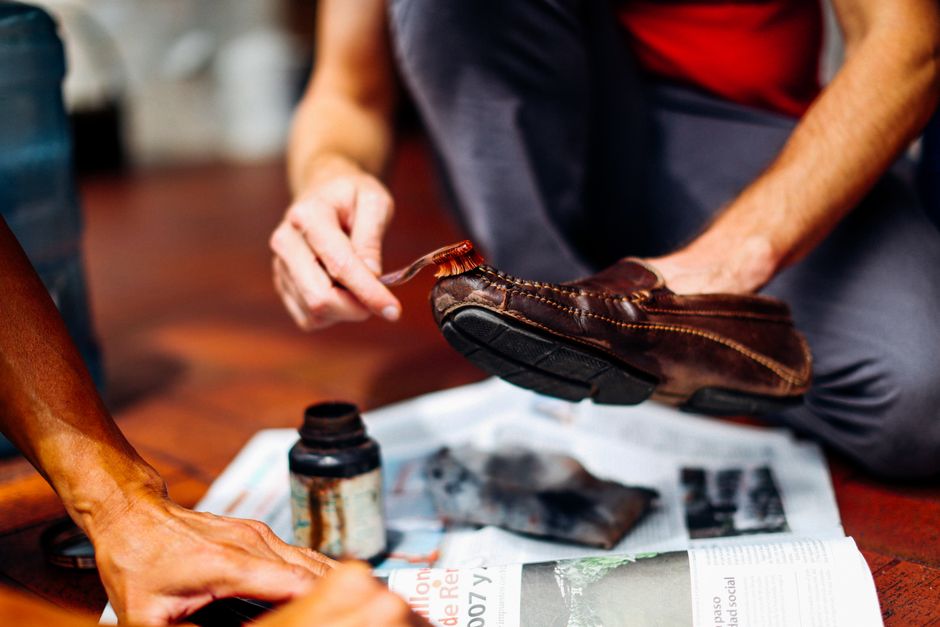
This page provides a general framework for understanding shoe care, sizing, and material selection at Urban Footwear. The information is grouped into three broad areas — daily maintenance, fit considerations, and common material characteristics — relevant to everyday, work, and sports footwear. Practices vary based on individual use, environment, and shoe construction. The goal is to offer neutral, descriptive overviews that support informed reading rather than prescribe specific actions. The sections reflect common topical distinctions and are intended for educational context only. Conditions and needs differ from person to person, and the details here represent general observations.
Finding the right size is the first step toward comfortable footwear. Measure your feet at the end of the day, when they are slightly larger, and stand on a piece of paper to trace both feet. Compare the longest measurement with the brand’s size chart, and leave about a thumb’s width of space at the toe for walking and swelling. For everyday sneakers and loafers, prioritize breathable uppers and cushioned insoles that support long hours on your feet.
Different activities put different demands on your shoes. Work footwear often needs leather or synthetic uppers that resist water and stains, so wipe them after each wear and use a conditioner to prevent cracking. Sports shoes benefit from regular air-drying away from direct heat, and removable insoles should be washed or replaced to control odor. Rotating between two pairs gives each pair time to dry and extends the life of the midsole.
Leather molds to your foot over time and offers durability, making it a strong choice for work and casual wear. Mesh and knit fabrics keep feet cool and light, which suits running and gym sessions. Canvas is easy to clean but offers less structure, while waterproof membranes help in wet weather. Check the outsole tread for grip and the lining for moisture management before you buy, and match the material to how and where you will wear the shoes most.