Essential Tips for Cleaning Suede and Nubuck Shoes
Suede and nubuck are types of leather with a napped surface that gives them a soft, velvety texture. This texture, however, makes them more susceptible to absorbing liquids, retaining dust, and showing scuffs compared to smooth leather. Understanding the structure of these materials is the first step toward maintaining their appearance without causing damage. The fibers that create the nap can be easily flattened or matted, and improper cleaning methods may lead to irreversible changes in texture or color.
Cleaning suede and nubuck requires a gentle approach that lifts dirt from the surface without saturating the material. Using the right tools—such as a specialized brush and eraser—can help remove dry debris and minor marks. It is important to work in a well-ventilated area and to test any product on a small, inconspicuous area first. This article outlines step-by-step techniques that can be used as part of a regular care routine, emphasizing methods that prioritize the integrity of the material.
While these techniques are widely used, the outcome depends on factors such as the specific type of leather, the nature of the stain, and how long it has been set. Therefore, results may vary, and for valuable or heavily soiled items, consulting a professional cleaner is advisable. The following sections provide a general framework that can be adapted to different situations.
Understanding Suede and Nubuck
Suede is made from the underside of the leather, while nubuck is made from the top grain that has been sanded to create a similar nap. Both have an open pore structure that can trap particles and liquids. This openness is why water and oil-based spills can quickly penetrate and leave dark spots. The nap also means that friction from normal wear can cause the fibers to lie in different directions, creating a patchy appearance. Recognizing these characteristics helps in choosing appropriate cleaning tools and methods.
Unlike smooth leather, suede and nubuck should not be cleaned with standard leather cleaners or harsh chemicals. These can strip natural oils, cause discoloration, or stiffen the material. Instead, dry methods are preferred for routine maintenance, with wet cleaning reserved for specific situations. A soft brush designed for suede is essential for lifting dirt and restoring the nap. Similarly, a suede eraser can address dry stains and scuffs by gently abrading the surface without wetting it.
Environmental factors such as humidity and temperature also play a role in how the material responds to cleaning. In humid conditions, drying may take longer, and the risk of water spots increases. In dry conditions, the material may become more brittle and prone to cracking if over-cleaned. Therefore, it is wise to consider the climate and storage conditions as part of an overall care strategy. Urban Footwear recommends that individuals familiarize themselves with the specific characteristics of their footwear before attempting any cleaning procedure.
Tools and Materials for Cleaning
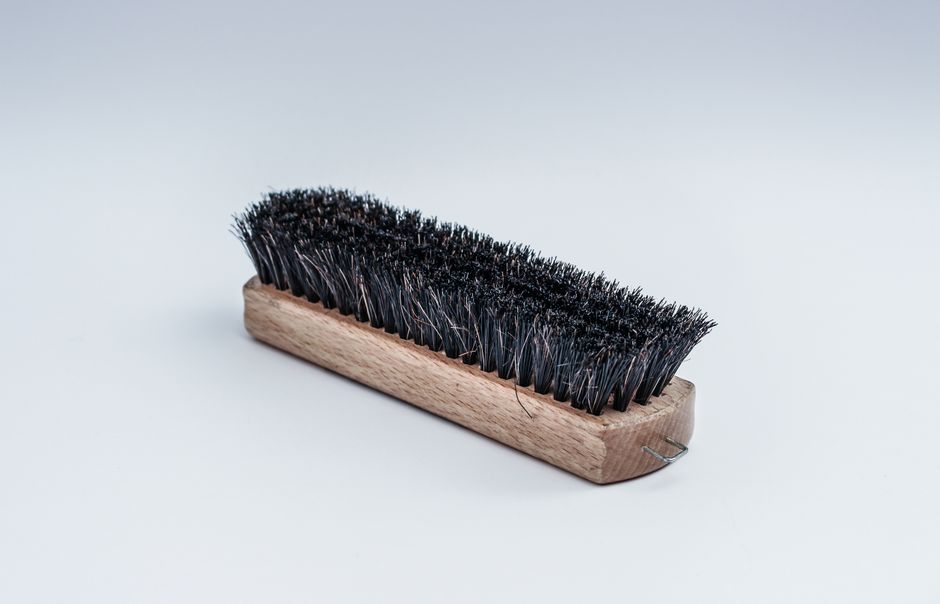
Having the right tools on hand can make the cleaning process more effective and reduce the risk of damage. A suede brush, typically with brass or nylon bristles, is designed to gently raise the nap and remove loose dirt. Brass bristles are effective for tougher stains but should be used with a light touch to avoid scratching. Nylon bristles are softer and suitable for general maintenance. A suede eraser, which resembles a pencil eraser, is used to rub out dry marks and scuffs. Additionally, a clean, soft cloth or towel is useful for blotting and buffing.
Other helpful items include a shoe tree or stuffing material to maintain shape during cleaning, and a protective spray if desired. However, it is important to note that protective sprays are not a substitute for proper cleaning and may alter the appearance or breathability of the material. Always follow the manufacturer’s instructions and test on a small area first. For wet cleaning, a mild solution of water and a few drops of dish soap can be used, but this should be done sparingly and with caution.
When selecting tools, avoid wire brushes or abrasive pads that can tear the nap. Also, avoid using excessive water, as saturation can cause the leather to lose its shape and become stiff upon drying. Instead, use a damp cloth and minimal moisture. If unsure about a particular tool or product, consult the footwear manufacturer or a professional cleaner. Urban Footwear suggests that individuals keep a dedicated kit for suede and nubuck care to avoid cross-contamination with other cleaning agents.
Step-by-Step Dry Cleaning Method
Dry cleaning is the primary method for routine maintenance of suede and nubuck. Start by removing any loose dirt and dust. A soft brush or a dry cloth can be used to gently wipe the surface. Brush in one direction to avoid creating uneven nap. For embedded dirt, use the suede brush with light pressure, moving in a circular motion to lift the fibers. After brushing, use the suede eraser to address any remaining scuffs or marks. Rub the eraser gently over the affected area, then brush away the residue.
If the shoes have areas with flattened nap, such as the heel or toe, brushing can help restore the texture. Use a back-and-forth motion to raise the fibers. For stubborn stains, a combination of eraser and brush may be needed, but always work gently to avoid damaging the material. Once cleaning is complete, allow the shoes to air dry at room temperature, away from direct heat sources. Stuffing the shoes with paper or a shoe tree can help maintain their shape as they dry.
It is important to note that dry cleaning may not remove all types of stains, especially oil-based or set-in stains. In such cases, a wet cleaning method may be required, but this should be done with caution. Over time, repeated dry cleaning can cause the nap to become excessively raised or uneven, so moderation is key. Urban Footwear advises that individuals assess the condition of their footwear regularly and address stains promptly to prevent them from becoming more difficult to remove.
Addressing Wet Stains and Liquids
When suede or nubuck comes into contact with liquids, quick action can help minimize damage. Blot the area immediately with a clean, dry cloth to absorb as much liquid as possible. Do not rub, as this can spread the stain and push the liquid deeper into the fibers. If the liquid is water-based, it may leave a water spot upon drying; this can sometimes be reduced by lightly dampening the entire area with water and allowing it to dry evenly. However, this technique carries some risk and should be tested on a small area first.
For oil-based stains, apply a small amount of cornstarch or talcum powder to the stain and let it sit for several hours to absorb the oil. Then brush it off gently. If the stain persists, a specialized suede cleaner may be used, but always follow the product instructions and test first. In some cases, professional cleaning is the best option, especially for valuable or heavily stained items. It is important to avoid using heat to dry the shoes, as this can cause the leather to crack or shrink.
After treating a wet stain, allow the shoes to dry naturally at room temperature. Once dry, brush the nap to restore texture. If a water spot remains, it may be necessary to repeat the process or seek professional help. Keep in mind that some stains may be permanent, and the goal is often to minimize their appearance rather than remove them completely. Urban Footwear emphasizes that prevention, such as using a protective spray before wear, can be a helpful part of a care routine, though it does not guarantee complete protection.
Maintenance and Prevention
Regular maintenance can extend the life and appearance of suede and nubuck shoes. After each wear, especially in wet or dusty conditions, brush off any dirt or dust with a soft brush. This prevents particles from becoming embedded in the nap. Store shoes in a cool, dry place, away from direct sunlight, which can fade the color. Using a shoe tree or stuffing them with paper can help maintain their shape and absorb moisture.
Avoid wearing suede or nubuck shoes in heavy rain or snow, as this can cause significant damage. If they do get wet, allow them to dry naturally and then brush the nap. Consider applying a protective spray specifically designed for suede and nubuck, but be aware that some sprays may darken the color or affect breathability. Always test on a small area first and follow the manufacturer’s instructions. Additionally, rotate your footwear to give each pair time to dry and recover between wears.
For deep cleaning or stubborn stains, it may be best to consult a professional cleaner who has experience with these materials. Attempting to clean heavily soiled suede or nubuck with household methods can sometimes cause more harm than good. By following a consistent care routine and using appropriate tools, individuals can help preserve the appearance of their footwear. Urban Footwear encourages a mindful approach that balances cleaning with prevention and seeks professional advice when uncertain.