Matching Casual Shoes with Outfits for Work and Weekend
Selecting casual shoes that work seamlessly for both professional and relaxed settings involves understanding a few key principles of style, color, and design. The goal is to identify footwear that can adapt to different environments without requiring a complete wardrobe change. This article explores how to evaluate shoe styles, colors, and materials to create cohesive looks that transition from the office to weekend activities. The focus is on practical methods and considerations rather than prescriptive rules, allowing for personal expression within professional and social contexts.
Many professionals seek footwear that balances comfort, durability, and aesthetic appeal. The challenge lies in finding shoes that complement a range of outfits while remaining appropriate for varying levels of formality. By examining factors such as silhouette, color palette, and material, individuals can make informed decisions that enhance their overall style. This guide provides a framework for assessing casual shoes and integrating them into a versatile wardrobe, with examples of how different designs can be paired with common clothing items.
Ultimately, the effectiveness of a shoe choice depends on multiple variables, including workplace culture, personal comfort preferences, and the specific activities planned. There is no single solution that works for everyone, but a thoughtful approach can increase the likelihood of achieving a polished yet relaxed appearance. The following sections delve into specific strategies for matching casual shoes with outfits for work and weekend, emphasizing neutrality and adaptability.
Understanding the Spectrum of Casual Shoes
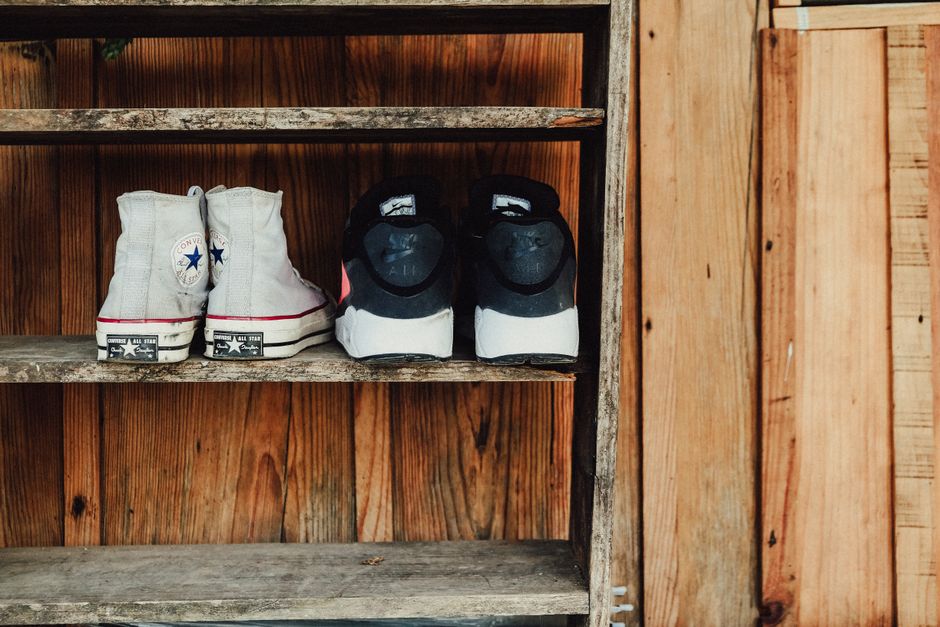
Casual shoes encompass a wide range of styles, from minimalist sneakers to loafers and slip-ons. Each type carries distinct visual cues that influence how it is perceived in different settings. For instance, a clean leather sneaker often reads as more polished than a chunky athletic shoe, making it suitable for business casual environments. Conversely, a canvas sneaker may be ideal for weekend errands but less appropriate for a client meeting. Recognizing these nuances helps in selecting footwear that aligns with the desired level of formality.
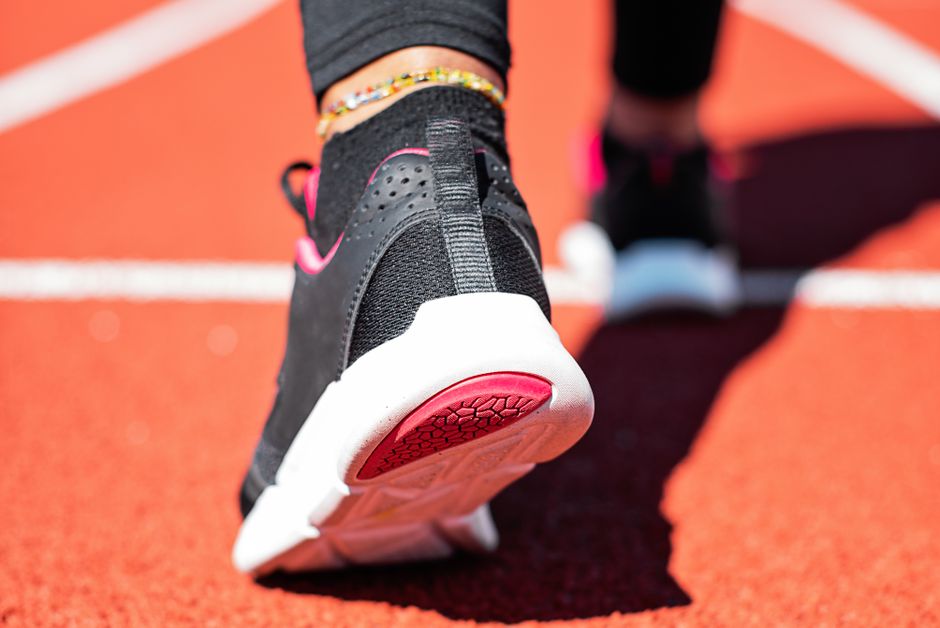
When evaluating casual shoes, consider the overall silhouette and construction. Shoes with a streamlined profile and minimal branding tend to appear more versatile, as they can be dressed up or down with relative ease. Materials also play a significant role: leather and suede often convey a more refined aesthetic, while mesh and synthetic fabrics lean toward sporty or recreational use. The sole thickness and shape further influence perception; a slim sole is generally more elegant, whereas a thick sole suggests a more casual, athletic vibe.
Another factor is the shoe’s ability to complement various outfit types. A pair of loafers, for example, can be worn with tailored trousers for work and with jeans for a weekend brunch. Similarly, a simple low-top sneaker in a neutral color can pair with chinos and a blazer or with shorts and a t-shirt. By understanding these characteristics, individuals can build a collection of casual shoes that serves multiple purposes without unnecessary duplication.
Color Coordination for Work and Weekend
Color is one of the most powerful tools in creating a cohesive outfit. Neutral tones such as black, brown, gray, navy, and white offer maximum versatility because they blend easily with a wide range of clothing colors. For work environments, matching shoe color to belt or bag color is a traditional approach that creates a polished look. However, this rule is not absolute; contemporary style often allows for complementary or contrasting colors as long as the overall palette feels intentional.
For weekend outfits, there is greater freedom to experiment with color. Shoes in muted earth tones or pastels can add visual interest without overwhelming the ensemble. When selecting casual shoes, consider the dominant colors in your wardrobe. If your clothing leans toward cool tones like blue and gray, shoes in black, gray, or navy will harmonize well. If your wardrobe features warm tones like brown, olive, or burgundy, then brown or tan shoes may be more flattering.
It is also helpful to think about the context in which the shoes will be worn. A workplace with a strict dress code may call for more conservative colors, while a creative office might permit bolder choices. For weekends, the setting—whether a casual gathering, a outdoor activity, or a dinner—can guide color selection. Keeping a few core neutral pairs and one or two accent pairs can provide flexibility without complicating decision-making.
Design Details That Enhance Versatility
The design details of a casual shoe can significantly affect its adaptability. Minimalist designs with clean lines and few embellishments tend to be more versatile because they do not draw attention or clash with other elements of an outfit. Avoid shoes with large logos, bright contrasting stitches, or unusual hardware if the goal is to transition seamlessly between work and weekend. Instead, opt for subtle stitching, tonal laces, and understated hardware.
Another design consideration is the closure system. Lace-up shoes offer a classic look and can be adjusted for fit, while slip-on styles provide convenience and a slightly more relaxed feel. Both can work in professional and casual settings, depending on the overall design. For instance, a leather slip-on loafer can be quite dressy, whereas a canvas slip-on is more casual. The key is to match the closure style with the intended use and the rest of the outfit.
Additionally, pay attention to the shape of the toe box. Round toes are generally more traditional and blend well with various outfits, while pointed or square toes make a stronger fashion statement. For maximum versatility, a slightly rounded or almond toe is often a safe choice. The heel height also matters: flat or low-heel shoes are typically more comfortable for all-day wear and pair well with both trousers and jeans.
Building a Transitional Wardrobe with Key Shoe Styles
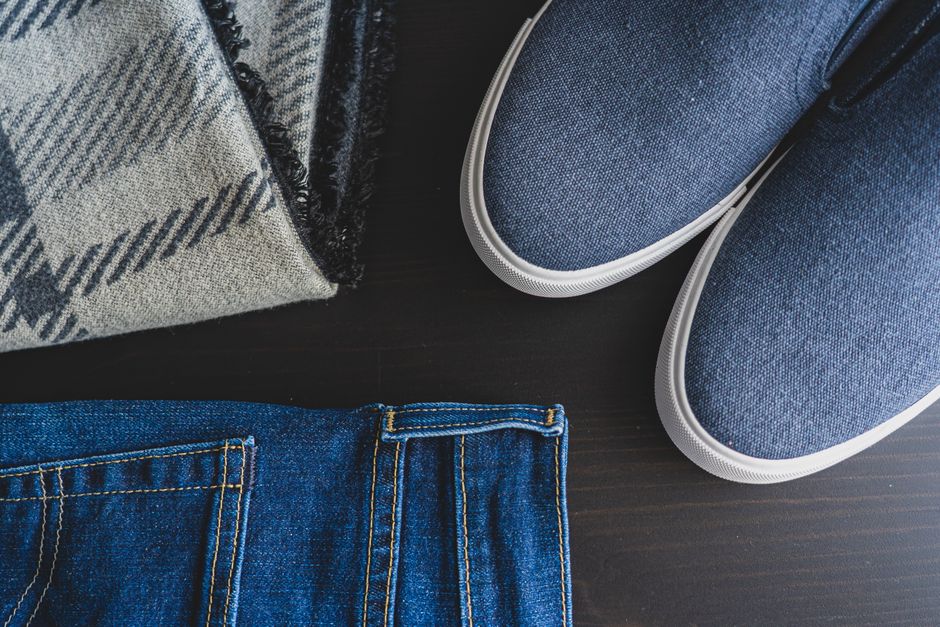
To create a wardrobe that effortlessly moves from work to weekend, consider incorporating a few foundational shoe styles. A pair of minimalist leather sneakers in white or black can serve as a go-to option for business casual and casual outings. Loafers, whether in leather or suede, offer a step up in formality and can be worn with dress pants or dark denim. Slip-on canvas shoes in a neutral color provide a relaxed option for weekends and informal work environments.
When selecting these core styles, prioritize quality and comfort. Shoes that are well-made and fit properly are more likely to be worn frequently and to maintain their appearance over time. It is also advisable to choose colors that align with the majority of your clothing. For example, if your wardrobe is predominantly navy and gray, then black or dark brown shoes will integrate smoothly. If you wear a lot of khaki and olive, then brown or tan shoes may be more suitable.
Beyond the basics, consider adding one or two pairs that reflect personal style or specific needs. For instance, a pair of suede desert boots can bridge the gap between casual and smart, while a pair of minimalist slip-on sneakers in a muted color can be both comfortable and stylish. The goal is to have options that can be mixed and matched without requiring a complete outfit change when transitioning between environments.
Practical Tips for Pairing Shoes with Outfits
Pairing shoes with outfits involves balancing proportions, colors, and textures. A general guideline is to match the shoe’s visual weight with the outfit’s overall bulk. For example, slim-fitting trousers and a light shirt pair well with sleek, low-profile shoes, while heavier fabrics like wool or denim can accommodate slightly bulkier footwear. This balance helps create a harmonious look that appears intentional.
Texture can also play a role in how shoes complement an outfit. Smooth leather shoes contrast nicely with textured fabrics like tweed or flannel, adding visual interest. Conversely, suede shoes can soften the look of crisp cotton or synthetic materials. Mixing textures can elevate a simple outfit, but it is important to avoid too many competing textures, which can make the ensemble feel busy.
Finally, consider the occasion and the message you want to convey. For a job interview or a meeting with clients, err on the side of more conservative, polished shoes. For a casual Friday or a weekend outing, you can opt for more relaxed styles. Urban Footwear offers a range of casual shoes designed with these considerations in mind, providing options that blend comfort and style for various settings. Remember that confidence and comfort are key; when you feel good in your shoes, you are more likely to carry yourself with assurance, which enhances any outfit.